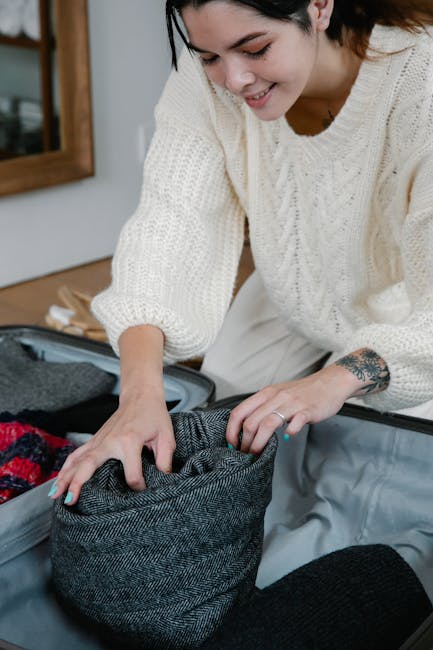
Packing tips for W2 flats near Praed Street, Paddington
Moving out of a W2 flat near Praed Street is rarely a simple "box it all up and go" job. Between compact rooms, narrow stairwells, parking restrictions, lift access, and the usual mix of everyday clutter, packing can become the most time-consuming part of the move. The good news? With the right approach, packing tips for W2 flats near Praed Street, Paddington can save space, reduce breakages, and make moving day feel far less chaotic.
This guide is designed for real-life London flat moves, not generic advice that only works in a spacious house with a driveway. You will find practical packing methods, local considerations, common mistakes to avoid, and a clear step-by-step plan you can actually use. If you are moving from a studio, a one-bed, or a share flat near Praed Street, this is the kind of preparation that makes a noticeable difference.
And yes, a few well-chosen boxes really can change the whole experience.
Table of Contents
- Why packing well matters in W2 near Praed Street
- How the packing process works in a London flat move
- Key benefits and practical advantages
- Who this is for and when it makes sense
- Step-by-step guidance
- Expert tips for better results
- Common mistakes to avoid
- Tools, resources and recommendations
- Law, compliance, standards and best practice
- Options, methods and comparison table
- Case study or real-world example
- Practical checklist
- Conclusion
- Frequently asked questions
Why Packing tips for W2 flats near Praed Street, Paddington Matters
Packing is not just about protecting belongings. In a W2 flat, it also affects how smoothly the whole move runs. Small flats often have limited storage, awkward furniture layouts, and less room to sort items as you go. If you pack badly, you create more lifting, more clutter, and more stress on the day.
Praed Street and the surrounding Paddington streets can add another layer of complexity. Access may be tight, loading space can be limited, and timing matters because traffic around central London does not always cooperate. That means your boxes, bags, and furniture need to be ready in a way that supports a quick and tidy move.
Good packing also protects your deposit. Scuffed walls, broken glass, lost fittings, and missing keys or remotes often happen because things are rushed in the final hours. A more controlled pack gives you a better chance of leaving the flat in clean condition, which matters whether you are renting privately or through a managing agent.
If you are still deciding what kind of move suits your situation, it can help to look at broader removal services in Paddington so you can match the packing effort to the level of support you need.
How Packing tips for W2 flats near Praed Street, Paddington Works
At a practical level, good packing follows a simple rhythm: sort, reduce, protect, label, and stage. The trick is applying that rhythm to flat living, where space disappears quickly once you start opening cupboards and pulling items off shelves.
In a typical W2 flat move, you will usually work room by room. That prevents you from mixing kitchen items with bedroom items or hiding important documents inside random boxes. It also helps when unpacking later, because you can prioritise the rooms that matter first.
Most people underestimate how much time the "middle stage" takes. That is the part where you are not decluttering anymore, but you are not packed either. It often involves sorting cables, labelling chargers, wrapping fragile items, and deciding whether bulky items should go into storage or onto the van. If you need a place to keep excess belongings between moves, storage in Paddington can be a useful option.
For flats near Praed Street, packing should also account for the route out of the building. Tight hallways, stairs, and shared entrances mean your boxes should be manageable, stackable, and closed securely. A massive box full of books might look efficient until you have to carry it down several flights.
That is why experienced movers often recommend thinking about packing as part of access planning, not just a pre-move chore. The practical advice in this access guide for smoother removals near Paddington Station is helpful if your move is affected by busy streets or limited loading time.
Key Benefits and Practical Advantages
When packing is done properly, the benefits show up quickly. You save time, reduce damage, and make loading more efficient. But the real value is calmer decision-making. Once everything has a place and a label, the move stops feeling like a crisis and starts feeling manageable.
Here are the most useful advantages for W2 flat moves near Praed Street:
- Less breakage: fragile items are cushioned and separated properly.
- Faster loading: clearly packed boxes are easier for movers to stack and carry.
- Better use of space: compact flats often need smart box sizing and careful layering.
- Lower stress: labels and room grouping reduce uncertainty on arrival.
- Fewer last-minute problems: essentials are set aside instead of vanishing into mixed boxes.
There is also a financial upside. If your items are packed neatly and access is prepared properly, the move may be more efficient overall. That can matter when you are comparing options such as man and a van services in Paddington or a fuller house removals service in Paddington.
In short: better packing does not just protect possessions. It protects the timetable.
Who This Is For and When It Makes Sense
These packing tips are most useful if you are moving from a flat where space is limited and access is not straightforward. That includes studios, one-bedroom flats, shared apartments, and smaller converted properties common around W2.
This guide is especially relevant for:
- tenants moving out of rented flats near Praed Street
- students or young professionals moving with mixed belongings and furniture
- couples downsizing into a smaller property
- anyone juggling a move with work, train travel, or tight schedules
- people planning a short-notice relocation who need a fast but organised pack
If you are moving from a furnished flat, the task may be simpler, but it is not necessarily easier. You may still need to wrap kitchenware, bedding, electronics, and personal items carefully. If your move involves awkward furniture or heavy pieces, furniture removals in Paddington can be a sensible support option.
It also makes sense to use these methods if you are considering a service that helps with both loading and the packing process, such as packing and boxes in Paddington. Sometimes the smartest move is not doing everything yourself, but doing the right parts yourself.
Step-by-Step Guidance
A clean packing process is easier to follow when it is broken into stages. If you are in a W2 flat near Praed Street, the order matters because room size, access, and time pressure can otherwise make the job feel fragmented.
1. Start with a ruthless sort
Before a single box is filled, decide what stays, what goes, what gets donated, and what should be stored. Flat moves are the perfect time to notice how many spare cables, duplicate mugs, old documents, and "just in case" items you have kept for no good reason.
Use three categories:
- Take: items you use regularly or genuinely want in the new place.
- Store: seasonal, sentimental, or non-essential things you do not need immediately.
- Release: anything broken, unused, or not worth carrying.
2. Pack by room, not by convenience
Mixing rooms creates confusion. A kitchen box should contain kitchen items only. A bedroom box should stay bedroom-only. This helps when unpacking, and it also reduces the chance of fragile items getting crushed by random heavy objects.
Label each box on at least two sides. In a shared hallway or narrow stairwell, one side is often hidden during loading.
3. Use the right box sizes
Large boxes are tempting, but they are not always practical. For heavier items such as books, use small or medium boxes. For lighter soft items like bedding, you can use larger boxes or bags. The aim is not to fill the box for the sake of it; the aim is to keep it liftable.
That is especially important in older buildings where stairs may be narrow. A box that is too heavy can slow the entire move and create avoidable strain.
4. Protect fragile items with intention
Wrap glasses, plates, mirrors, picture frames, and small electronics individually. Use paper, bubble wrap, or soft household materials like towels and tea towels where appropriate. Nesting items together without padding is a common mistake and usually ends in disappointment.
For extra protection, fill empty spaces so nothing shifts inside the box. Movement during transit is often what causes damage, not the journey itself.
5. Create an essentials box
This is the box people forget until they need it. Keep essentials with you or make them the last box loaded and the first box unloaded. Include:
- phone charger
- medication
- toiletries
- tea, coffee, and basic snacks
- spare clothes
- important documents
- keys and access cards
Think of it as your first-night survival kit. Nothing fancy, just sensible.
6. Stage items for easy loading
As each box is packed, place it in a clear area near the exit if possible. Keep walkways open. If your front room becomes a maze of half-finished packing, you will slow yourself down and create trip hazards. A tidy staging area saves time later.
7. Check what must not be packed together
Liquids, sharp objects, batteries, and valuable documents need special treatment. Some items are best carried separately. If in doubt, keep them with you rather than placing them in a shared box with everyday items.
Expert Tips for Better Results
Small details make a big difference in flat moves. These are the sorts of things experienced movers and careful tenants tend to get right.
Use colour coding if the move is complex. A coloured sticker for each room is quick and clear, especially if several people are helping. It prevents the classic "where does this go?" moment that tends to happen right when everyone is tired.
Photograph cable setups before disconnecting them. TVs, routers, monitors, and sound systems are much easier to reconnect if you have a picture to refer to later. It takes seconds and saves arguments with yourself at the other end.
Pack one cupboard at a time. This sounds obvious, but many people start three cupboards, two drawers, and half a wardrobe at once. The result is a trail of half-sorted items. Finish a section before moving on.
Use wardrobe bags for hanging clothes if speed matters. If you have a lot of clothing, wardrobe boxes or garment bags can reduce folding and ironing later. They are not essential for everyone, but they are useful if you are short on time.
Keep valuables and paperwork separate. Passports, tenancy papers, jewellery, and personal records should not disappear into ordinary moving boxes. Keep them in a secure bag that stays with you.
Be realistic about what you can carry. A flat move in W2 is not the place to test your dedication to heavy lifting. If a box feels awkward in your hands before you even leave the room, it is too heavy.
When in doubt, it helps to think of the move as a system, not a puzzle. Packing better means loading better, and loading better means unpacking better.
Common Mistakes to Avoid
Most packing problems are avoidable. The trouble is that they often feel small in the moment and expensive later.
- Overfilling large boxes: especially with books or kitchen items.
- Using weak boxes: reused boxes are fine if they are sturdy, but soft or torn ones can collapse.
- Packing without labels: this creates confusion at both ends of the move.
- Leaving packing until the night before: that is how fragile items get rushed and essential items go missing.
- Mixing essentials into ordinary boxes: if you need it on day one, do not bury it.
- Ignoring access constraints: a well-packed box is still a problem if it is too large for your staircase or corridor.
A very common local issue is assuming the van can park exactly where you need it. In busy central areas, that is not always a safe assumption. If you are arranging a move around a station-heavy zone or a tight road layout, review practical access details and consider the right removal van option for Paddington early in the process.
Another mistake is forgetting the end-of-tenancy basics: meter readings, keys, and cleaning items. Packing should support the move, not consume the entire day so thoroughly that you miss the practical handover steps.
Tools, Resources and Recommendations
You do not need an industrial packing kit to move a flat well, but a few tools make life much easier. For most W2 flat moves, the essentials are straightforward.
| Item | Best use | Why it helps |
|---|---|---|
| Small and medium boxes | Books, kitchenware, mixed household items | Keeps boxes liftable and reduces damage risk |
| Packing paper or wrap | Fragile items and gaps in boxes | Prevents items from shifting during transit |
| Strong tape | Sealing box bottoms and tops | Helps boxes stay closed under load |
| Labels or marker pens | Room naming and priority marking | Makes unloading and sorting far easier |
| Bubble wrap or soft padding | Glass, electronics, framed items | Adds targeted protection where needed |
| Wardrobe boxes or garment bags | Hanging clothes | Reduces folding and re-ironing later |
If you want the job done with fewer supply headaches, using a dedicated local packing and moving service can be practical. A quick look at the full services overview can help you see what support is available, from boxes to transport to handling heavier items. For smaller or quicker moves, a man with a van in Paddington may suit a compact flat move well.
For readers comparing service levels, the page on pricing and quotes is useful for understanding how to request a quote in a sensible, transparent way. If budget is a key concern, competitive moving prices may also help you assess value without cutting corners on the essentials.
Law, Compliance, Standards, or Best Practice
Packing itself is not heavily regulated, but there are still sensible standards and responsibilities to keep in mind during a move in London. If you are in a rented flat, check your tenancy agreement and make sure you leave the property in the condition required by your landlord or managing agent. That often includes clearing all belongings, repairing avoidable damage, and returning keys on time.
For shared buildings, be mindful of communal areas. Keep corridors clear, do not block fire routes, and avoid leaving boxes where they create a hazard for neighbours. That is not just courteous; it is basic safety best practice.
Transport and loading arrangements should also be handled responsibly. If movers are using the building entrance or street space, clear communication helps prevent accidents and delays. Choosing a company that takes safety seriously matters, so it is worth reviewing health and safety commitments and insurance and safety information before booking.
Privacy and security matter too. Moving often involves personal paperwork, banking documents, and confidential items. Keep those separate, and if you are using a service provider, it is sensible to understand how your information is handled by reading the relevant privacy policy and terms and conditions.
Finally, if you are arranging collection, disposal, or donation of unwanted items, consider sustainability. Responsible moving is not only about getting things from A to B; it is also about reducing waste where possible. That is where recycling and sustainability practices become relevant.
Options, Methods, or Comparison Table
Different packing approaches suit different flat moves. The right choice depends on your time, budget, and how much furniture you have.
| Method | Best for | Pros | Trade-offs |
|---|---|---|---|
| Self-packing | Small flat moves, limited budgets | Full control, lower upfront cost | More time, more effort, more risk if rushed |
| Partial packing help | Busy professionals, families, fragile items | Good balance of control and support | Still requires planning and decisions |
| Full packing service | Tight schedules, larger flat contents, nervous movers | Fast, organised, lower physical strain | Higher cost than doing it yourself |
For many people in Praed Street's surrounding W2 streets, the middle option is the sweet spot. You can pack personal and sensitive items yourself, while leaving bulky or awkward pieces to professionals. If you are moving in or out of a smaller property, the dedicated flat removals service in Paddington is often the most relevant service page to review next.
There is also a timing decision. If your move is urgent, same-day removals in Paddington may be useful, but only if your packing is already under control or can be completed quickly and safely.
Case Study or Real-World Example
Consider a typical one-bedroom flat near Praed Street: one wardrobe, a sofa, a few shelves of books, kitchen items, clothes, and a box of electronics. The move looks manageable at first glance. Then the reality sets in. Books are heavier than expected, kitchen cupboards contain more glass than remembered, and the hallway is narrower than the boxes are wide.
In that kind of move, the most effective packing approach is usually:
- books packed into small boxes only
- glassware wrapped individually and grouped by type
- clothing moved in wardrobe bags or lightweight boxes
- electronics kept in original packaging if available
- an essentials bag carried separately
- furniture dismantled only where it actually saves time and space
The improvement is not dramatic in a flashy way, but it is very real. The move becomes more orderly, the van is easier to load, and unpacking in the new place is less frustrating. You are not searching through mystery boxes to find your kettle at 10 p.m. on arrival day, which, to be fair, is a small victory that feels much bigger in the moment.
If the move also involves larger shared items or specialist handling, such as a piano or bulky furniture, it is worth checking whether specialist piano removals in Paddington or a broader removals team is the safer fit.
Practical Checklist
Use this checklist in the final days before your move. It keeps the process grounded and helps prevent last-minute omissions.
- Sort belongings into keep, store, donate, and discard piles.
- Gather enough sturdy boxes in small, medium, and large sizes.
- Pack room by room and label every box clearly.
- Keep heavy items in smaller boxes.
- Wrap fragile items individually and fill empty gaps.
- Set aside essentials for the first 24 hours.
- Photograph cable setups and electronics before unplugging them.
- Keep documents, keys, and valuables with you.
- Check access, parking, and building rules in advance.
- Review your quote, booking details, and payment terms.
- Confirm whether any items need storage, recycling, or special handling.
- Leave communal areas clear and safe during loading.
Expert summary: The best packing plan for a W2 flat near Praed Street is usually the simplest one that still respects access, weight, and timing. Small boxes for heavy items, clear labels, and a separate essentials kit will solve more problems than fancy packing tricks ever do.
Conclusion
Packing for a flat move near Praed Street is not really about packing itself. It is about making a compact London move behave in a predictable way. When you sort early, pack logically, and keep access in mind, the rest of the move becomes more efficient and less stressful.
That is especially true in W2, where space is limited and timing can be tight. A careful packing plan helps you protect your belongings, save time on moving day, and arrive in your new flat with a clear head rather than a box-related headache.
If you are weighing up the next step, compare the support options that best match your move, whether that means boxes, transport, storage, or a more hands-on service. For many local moves, the right mix of preparation and professional help is what makes the difference.
Get a free quote today and see how much you can save.
For more background on the area and local moving needs, you may also find this guide to Paddington's appeal useful, along with advice on choosing property in Paddington if you are moving within the neighbourhood rather than leaving it altogether.
Frequently Asked Questions
What is the best way to start packing a W2 flat?
Start with a room-by-room sort and remove anything you do not want to take. Then pack the least-used items first, such as books, decorative pieces, spare bedding, and seasonal belongings. That keeps your daily routine intact for as long as possible.
How many boxes do I need for a one-bedroom flat?
It depends on how much you own, but most one-bedroom flat moves need a mix of small, medium, and a few larger boxes. The safest approach is to focus on box quality and weight rather than chasing a specific number.
Should I pack clothes in suitcases or boxes?
Either works. Suitcases are great for heavier clothing because they roll easily, while wardrobe boxes or garment bags are useful for hanging items. Choose the option that matches your space and how quickly you want to unpack.
What should go in my essentials box?
Keep anything you will need on the first night: toiletries, phone charger, medication, keys, documents, a change of clothes, and basic food or drink items. If you use it daily or would be upset to lose it, keep it separate.
How do I pack fragile kitchen items safely?
Wrap each item individually, cushion the base of the box, and fill gaps so items cannot move around. Keep plates on edge where possible and avoid overpacking. Heavy kitchen items should go in smaller boxes.
Is it worth using a packing service for a small flat?
Often yes, especially if you are short on time, have fragile items, or want to reduce stress. Even in a small flat, packing can take longer than expected once you factor in sorting, labelling, and protecting valuables.
How early should I begin packing before moving day?
For most flat moves, a gradual start is best. Begin with non-essential items as soon as you know the move date, then leave everyday essentials until near the end. Leaving everything until the last 24 hours usually creates unnecessary pressure.
What packing mistakes cause the most damage?
Overfilled boxes, poor cushioning, and mixing heavy and fragile items are the most common causes. Weak tape and bad labelling also create problems, because damaged or misplaced boxes are harder to handle safely.
Can I leave items in storage instead of moving everything at once?
Yes, if your new place is smaller, your dates do not align, or you need time to sort possessions properly. Storage can reduce pressure, but only if you clearly label what is going where so items do not disappear into a long-term "temporary" pile.
Do I need special packing for furniture?
Smaller items may only need blankets, wrap, or dismantling. Larger pieces, awkward shapes, or anything valuable should be handled more carefully. If in doubt, seek support from a service that deals with furniture removals and flat moves regularly.
How do I know whether I need a man and a van or a full removals service?
If you have a smaller load, minimal furniture, and a straightforward route, a smaller service may be enough. If your flat contains more furniture, fragile items, or access challenges, a fuller removals service is usually the better fit. The right choice depends on volume, timing, and how much help you want on the day.
What should I check before moving out of a rented flat in Paddington?
Check your tenancy obligations, arrange final cleaning, take meter readings, and return keys on time. Also make sure all your belongings are removed and communal areas are left clear. Those small details often matter just as much as the packing itself.