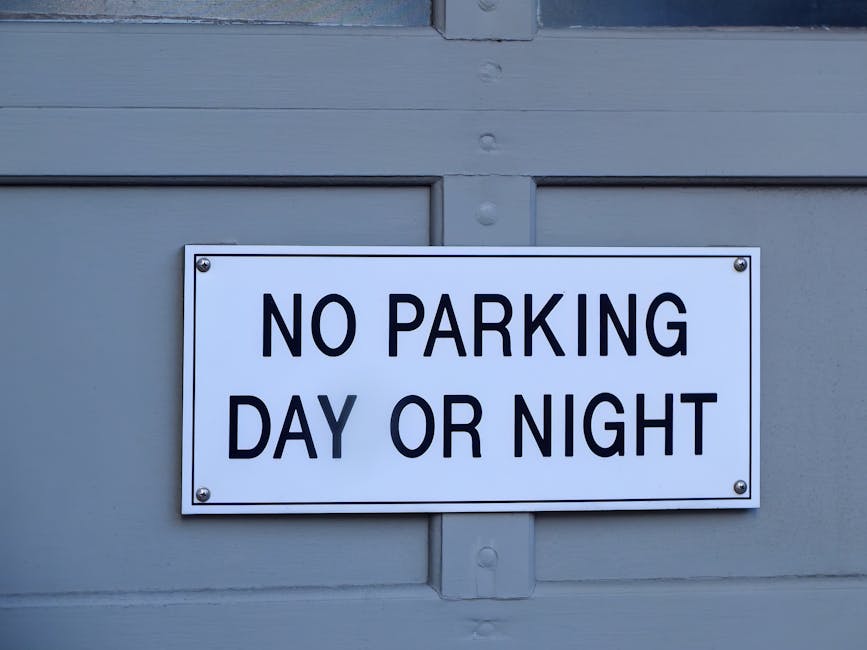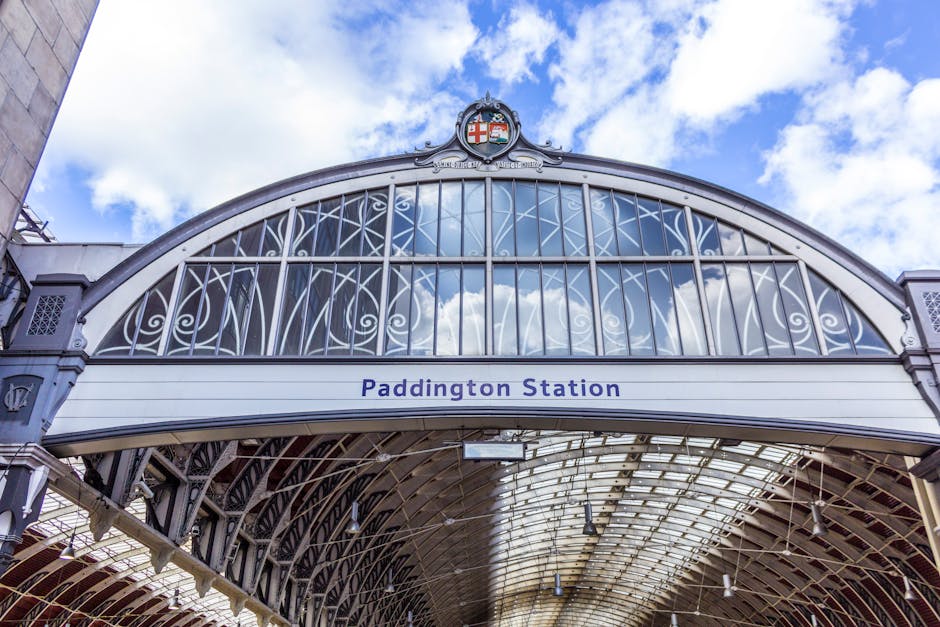
Parking suspension rules and fines for Paddington moves: a practical guide for a smoother moving day
If you are moving in Paddington, parking can become the most stressful part of the day. One missed notice, one wrongly parked van, or one suspension you did not spot in time can turn a straightforward move into a costly mess. This guide explains Parking suspension rules and fines for Paddington moves in plain English, so you can plan properly, avoid penalties, and keep the move on track. We will cover how parking suspensions work, what usually triggers fines, how to reduce the risk, and what to check before the first box comes off the van.
To be fair, most moving problems in central London are not about the lifting or the loading. They are about the space outside the building. If you sort that bit early, everything else feels calmer. And yes, calmer is what everyone wants on moving day.
Why Parking suspension rules and fines for Paddington moves Matters
Paddington is a busy part of London. Streets can be narrow, loading space can be limited, and many roads have restrictions that do not leave much room for improvisation. That matters because a moving vehicle needs somewhere legal to stop, even if only for a short unload. If that space is suspended, already reserved, or controlled by time limits, you can end up facing a parking penalty, a delay, or both.
For a home move, the risk is obvious. For an office relocation or a flat removal, it can be even trickier because you may have multiple vehicles, repeated trips, and more people trying to work around the same curb space. A small error can ripple through the whole schedule. Suddenly the lift booking slips, the building manager is chasing, and the kettle is boiling somewhere you cannot quite reach yet.
Parking issues also affect cost. Fines are frustrating on their own, but the hidden cost is often the delay. Extra waiting time can lead to more labour hours, more vehicle time, and more stress. If you are comparing removal services or planning a bigger project such as office removals, parking preparation should be part of the conversation from the very beginning.
Key point: in Paddington, parking planning is not an optional extra. It is part of the move itself.
How Parking suspension rules and fines for Paddington moves Works
Parking suspensions are usually temporary restrictions put in place so a specific bay, section of road, or loading area can be used for another purpose. In moving situations, that may be for a removal van, a skip, access works, a delivery, or building activity. The practical effect is simple: if the bay is suspended, you should not park there unless the suspension specifically allows it.
What makes this confusing is that street signs, road markings, and temporary notices do not always speak the same language to a hurried mover. A resident might think, "It was fine here yesterday," but moving day does not care what was fine yesterday. It only cares what is legal today. That is why checking the actual suspension period, the exact location, and any special instructions is so important.
Parking fines can happen for a few reasons:
- parking in a suspended bay or suspended section of road
- stopping where loading is not permitted at that time
- obstructing access, dropped kerbs, or entrances
- parking beyond the authorised time window
- not displaying required permission or suspension reference details, where applicable
For removals, the main risk is not just getting a ticket. If the vehicle cannot stop close enough to the property, the crew may have to carry items further, work slower, or do several trips. That is especially relevant for heavier items such as a piano, a wardrobe, or boxed archive material. If your move involves delicate or bulky items, services like piano removals and furniture removals tend to need more precise parking planning than a simple box-only move.
In practice, the process usually comes down to three checks: where the vehicle can stop, whether the bay is suspended, and what time the suspension applies. Miss one of those and you are taking a gamble. Not a fun one either.
Key Benefits and Practical Advantages
Getting parking right does more than avoid a fine. It makes the whole move feel more controlled. And when you are dealing with boxes, phones ringing, and someone asking where the tea towels are, controlled is a very nice word.
- Lower risk of penalties: the most obvious benefit, but still the one that matters most on a tight schedule.
- Faster loading and unloading: a nearby legal stopping point reduces carrying distance and saves time.
- Less disruption to neighbours and building staff: nobody enjoys a van blocking the wrong doorway.
- Better access for fragile or heavy items: important for furniture, appliances, and awkward pieces.
- Smoother coordination with building rules: particularly useful in flats, managed blocks, and business premises.
There is also a trust benefit. If you arrive prepared, the building manager, concierge, or neighbours are far more likely to see the move as organised rather than chaotic. That sounds small, but in a dense area like Paddington, goodwill helps.
For households moving into or out of a flat, good parking coordination often pairs naturally with flat removals and house removals. For businesses, it can be just as important when using commercial moves or office relocation services, because even a short delay can affect staff access and building schedules.
Who This Is For and When It Makes Sense
This guidance is for anyone moving in or around Paddington who needs to stop a vehicle near the property. That includes homeowners, tenants, students, office managers, landlords, letting agents, and anyone organising a same-day move under time pressure.
It makes sense whenever the move involves any of the following:
- a street with limited kerbside space
- a residential permit zone
- a loading bay that may be time-restricted
- a building with a managed entrance or concierge
- heavy or bulky items that cannot be carried far
- a move timed around work hours, school runs, or busy traffic periods
Students often underestimate this. A small van may seem easy to park, but on a busy day near transport links or apartment blocks, the available space can disappear quickly. If that sounds familiar, student removals can benefit a lot from a pre-planned stopping point and clear timing.
It also matters for people who are not moving everything in one go. A storage transfer, a partial declutter, or a furniture-only job can still trigger parking trouble if the vehicle cannot wait safely. In those cases, services like storage and furniture pick up can be just as parking-sensitive as a full house move.
Step-by-Step Guidance
Here is the simplest way to handle parking suspensions for a Paddington move without turning the day into a guessing game.
- Check the property frontage early. Look at the road outside the building, nearby bays, and any loading restrictions. Do this before the move, not on the morning of it.
- Confirm whether a suspension exists. If the area is managed or regularly controlled, ask what applies on your date and at your exact location. One street can have more than one rule.
- Note the time window carefully. Some suspensions start and end at specific times. A van arriving ten minutes late can matter more than you would expect.
- Match the vehicle to the space. A larger removal truck may need more room than a standard van. If you are using a removal truck hire option, check the access space first.
- Plan for loading and unloading order. Put the most essential items near the exit so you are not blocking the road while searching for them.
- Tell everyone involved. The movers, the building contact, and the person holding keys should all know the parking plan.
- Keep proof and notes close by. If permissions or instructions are issued, keep them easy to show.
- Build in a buffer. Traffic, lift delays, and a missing trolley can all eat into your slot. Paddington mornings are rarely perfectly calm, let's face it.
If you want a move to feel easier overall, parking should be treated as part of the moving plan alongside packing, timing, and access. That is especially true if you are also arranging packing and boxes or packing and unpacking services, because the more organised the contents are, the less time the vehicle needs to stay in one place.
Expert Tips for Better Results
In our experience, the moves that go best are the ones where parking is treated like a mini project, not an afterthought. A few sensible habits make a real difference.
- Use a single point of contact: one person should hold the parking information, access instructions, and timing updates.
- Check for building rules as well as street rules: a suspended bay is only part of the picture. Some buildings have service entrances or delivery windows too.
- Keep the loading route short: fewer steps, fewer interruptions, less chance of someone accidentally blocking the wrong area.
- Choose the right vehicle size: a smaller van may be easier to place in a tight road, while a bigger vehicle may reduce the number of trips. There is no one-size-fits-all answer.
- Prepare for wet weather: rain slows loading and unloading more than people expect. A damp stairwell and cardboard boxes are not a happy combination.
A small but useful trick: take a quick photo of the parking area and nearby signage before the move, just for your own records. You do not need anything fancy. A phone photo in the morning light is usually enough. It can help if there is confusion later.
If the move is complex, a professional crew with the right vehicle and handling setup usually makes the parking issue easier to manage. That is one reason people often compare man with van, removal van, and moving truck options before booking.
Common Mistakes to Avoid
The same mistakes come up again and again, and honestly, they are very avoidable.
- Assuming a space is free because it looks empty: temporary suspensions and time-based restrictions are easy to miss.
- Leaving parking checks until moving day: by then, you are already under pressure.
- Choosing a vehicle before checking access: the van should fit the road, not the other way around.
- Forgetting about building entrances: a legal roadside stop can still be awkward if it blocks the wrong door or gate.
- Ignoring loading time: a quick drop-off becomes a problem if boxes are not ready.
- Not briefing neighbours or the building team: even a heads-up can prevent unnecessary tension.
One of the sneakiest mistakes is underestimating how long the first hour takes. The kettle may still be unpacked, but the clock is already running. That is why same-day jobs and short-notice moves need especially tight parking planning. If your timeline is compressed, same-day removals can still work well, but only if access and stopping space are sorted properly.
Tools, Resources and Recommendations
You do not need a complicated toolkit to handle parking suspensions well. What you do need is a simple system that keeps everyone aligned.
- Phone notes: keep the date, time, address, and parking instructions in one place.
- Photos: of the frontage, bay signs, and any restrictions or temporary notices.
- Calendar reminders: a reminder the day before is often enough to stop last-minute rushing.
- Building contact details: concierge, facilities manager, landlord, or agent, depending on the property.
- Move plan: a basic order for what comes out first, what stays last, and where items should go.
For larger or more sensitive moves, it can be smart to ask for a written quote and confirm what access assumptions were built into it. That is where pricing and quotes become more useful than a quick phone estimate. You are not just buying a vehicle. You are buying a smoother day.
On the support side, it helps to know who you are working with and what standards they follow. Pages such as about us, insurance and safety, and health and safety policy are useful places to understand how a mover approaches risk and planning. If you are comparing providers, removal companies can vary quite a bit in how much parking support they actually include.
Law, Compliance, Standards, or Best Practice
Parking suspensions in London are generally tied to local traffic management and borough-level enforcement. That means the exact rules can vary by street, timing, and location. Because of that, it is best to treat this as a compliance issue rather than a casual convenience issue.
From a best-practice point of view, the safest approach is simple:
- assume a suspended bay cannot be used unless clearly stated otherwise
- check the exact date and time of the restriction
- do not rely on memory, old notes, or "it should be fine" guesses
- keep access clear for residents, emergency services, and other road users
- make sure the vehicle used matches the stopping space available
If you are moving from a managed building, there may also be site-specific rules layered on top of street restrictions. Those rules can affect lift bookings, loading times, and where the vehicle may wait. So the practical standard is not just legal compliance; it is sensible coordination.
Best practice in one line: check the road, check the building, check the timing, and check again the day before.
Options, Methods, or Comparison Table
Different moves call for different parking approaches. Here is a simple comparison to help you think it through.
| Option | Best for | Pros | Watch-outs |
|---|---|---|---|
| Street-side legal parking | Small to medium moves | Close access, quick loading | Can be limited in busy Paddington streets |
| Suspension-supported bay use | Booked moves with controlled access | Predictable stopping point, reduced risk | Must be confirmed carefully in advance |
| Nearby legal loading position | Flexible moves with lighter loads | May avoid suspension conflicts | Longer carry distance, slower pace |
| Smaller vehicle access | Tight roads or short-notice jobs | More manoeuvrable, often easier to place | May require more trips or extra labour |
In real life, the best option depends on the property, the contents, and the time available. A small studio move may be fine with a compact van. A family move with bulky furniture probably needs a more deliberate plan. If you are weighing up vehicle choices, man and van and removal services can suit very different scenarios, even though both are moving-related.
Case Study or Real-World Example
Imagine a couple moving from a top-floor flat near Paddington station on a Friday morning. They booked a van, packed most items neatly, and thought the roadside space outside the building would be available. It looked empty the evening before. By 8:30 a.m., though, a temporary suspension notice had come into effect for nearby works. The vehicle arrived, but the driver could not stop where planned.
The result was not catastrophic, but it was messy. The crew had to park further away, the carry distance increased, and the lift booking window became tighter. Two large items had to wait while boxes were moved first. Nobody was thrilled. Nobody was screaming either, but you could feel the tension in the hallway.
If they had checked the parking position earlier, the move would likely have been smoother. They could have adjusted the vehicle size, shifted the time, or chosen a different access point. That is the real lesson: parking prep is not just about avoiding fines. It is about preserving the rhythm of the day.
The same lesson applies to business moves. A small timing slip during office removals can affect staff handover, lift access, and building management approvals. Parking is a tiny detail that behaves like a big one.
Practical Checklist
Use this checklist before moving day. It keeps things grounded.
- Confirm the moving address and exact frontage.
- Check whether any parking suspension or loading restriction applies.
- Note the start and end time of any restriction.
- Confirm the size and type of vehicle being used.
- Tell the mover about stairs, lifts, and entry codes.
- Speak to the building manager or landlord if needed.
- Prepare boxes and essential items before the vehicle arrives.
- Keep parking notes and contact numbers in your phone.
- Take photos of signs or temporary notices if useful.
- Leave a small time buffer for traffic and access delays.
If you are still sorting the practical side of the move, services such as home moves and house removalists can be especially helpful when the access plan needs a bit of structure. Truth be told, a well-timed move often feels less like hard labour and more like a very busy, very organised morning.
Conclusion
Parking suspension rules and fines for Paddington moves are one of those topics that seem small until they are not. Once the vehicle is outside the property and time is ticking, every minute matters. The good news is that most of the risk is avoidable with early checks, clear communication, and a sensible loading plan.
If you treat parking as part of the move rather than a side issue, you give yourself a much better chance of a calm, efficient day. That means fewer surprises, fewer penalties, and far less standing around wondering who moved the cones. It is a simple win, but a real one.
For a move that feels better organised from the start, review the access details, compare your options carefully, and make sure the parking plan is locked in before the boxes start to move.
Get a free quote today and see how much you can save.
Frequently Asked Questions
What are parking suspension rules for a Paddington move?
They are the temporary restrictions that stop vehicles from using certain bays, roads, or loading spaces during specific times. For a move, that means you need to check whether the van can legally stop where you plan to load or unload.
Can I park in a suspended bay if I am moving house?
Usually no, unless the suspension specifically allows it. Do not assume a moving job makes the restriction disappear. It rarely does, and that is where fines happen.
How do I find out if my Paddington street is suspended?
Check the exact location and date well before moving day, and confirm any temporary notices or building instructions. If a property manager is involved, ask them too, because street rules and building rules can both matter.
What happens if a removal van parks in the wrong place?
The driver may receive a fine, and the move may be delayed while a legal parking spot is found. Sometimes the job continues but takes longer, which can affect labour time and the overall schedule.
Do I need parking help for a small man and van move?
Often, yes. Even small vehicles need a legal stopping place, especially in a busy part of London. A compact van helps, but it does not remove the need to check the restrictions.
Are parking fines the same as suspension fees?
No. A fine is usually a penalty for breaking a restriction. A suspension arrangement, where available, is a temporary access control measure. They are different things, and it is important not to mix them up.
Should I book a bigger truck or a smaller van for Paddington?
It depends on the road access and the amount of furniture. A bigger vehicle may reduce trips, but a smaller one may be easier to place in a tight street. There is no universal answer, so the frontage matters.
What is the safest way to avoid parking problems on moving day?
Check the bay early, confirm any suspension, notify the building contact, and keep a small timing buffer. That simple routine removes most of the avoidable stress.
Can I use storage if parking outside the property is difficult?
Yes, sometimes that helps a lot. If access is awkward or the move needs to be split into stages, storage can make the day more manageable and reduce pressure on the loading window.
Do office moves face the same parking issues as home moves?
Often more so. Offices may have stricter building access, tighter schedules, and more people affected by delays. Parking planning is especially important for commercial jobs and scheduled handovers.
Is it worth checking parking rules the day before as well?
Absolutely. Things change quickly in London. A quick re-check the day before can save you from arriving to find a space you thought was available is now suspended.
Where can I learn more about the company's standards and policies?
You can review the mover's published information such as about us, insurance and safety, health and safety policy, and terms and conditions to understand how they approach service, safety, and customer care.