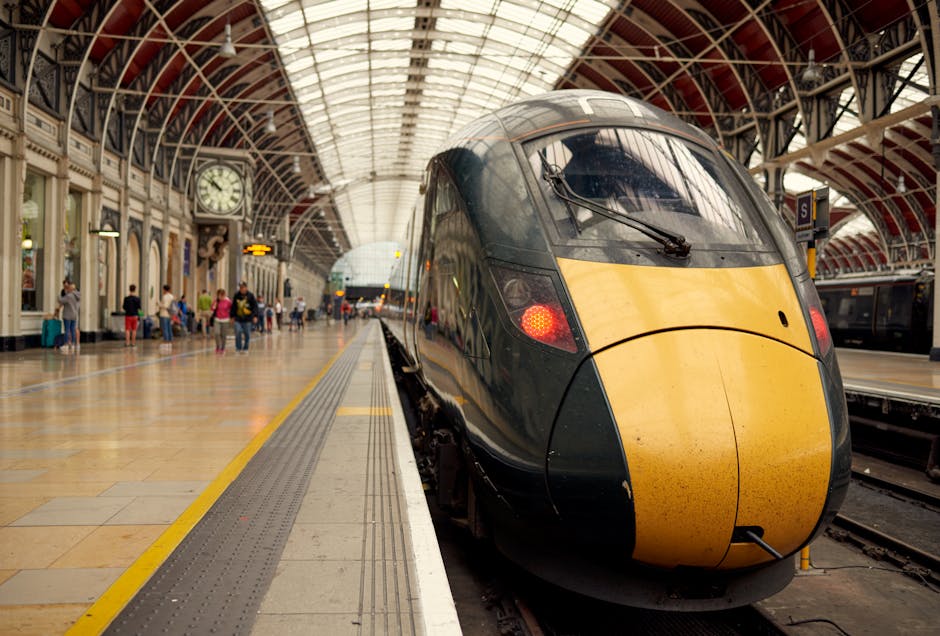
Westminster Council permits for Paddington furniture lifts
If you are arranging a furniture lift in Paddington, the permit side of the job can feel more confusing than the lifting itself. One minute you are measuring a sofa, the next you are wondering whether Westminster Council needs to be notified, whether a parking bay is involved, and whether the lift truck can legally sit outside for long enough to get the job done. That is exactly why understanding Westminster Council permits for Paddington furniture lifts matters before moving day arrives.
In plain English, this is about making sure the lift, the vehicle, the pavement access, and the surrounding street space all work together without causing avoidable delays or complaints. For flats, mansion blocks, offices, and tight terrace streets, the permit and access piece can be the difference between a smooth lift and a long, stressful afternoon. This guide breaks it down clearly, with practical steps, real-world considerations, and a few honest warnings from the sort of situations people only learn about the hard way.
Why Westminster Council permits for Paddington furniture lifts Matters
Paddington sits in a part of London where space is precious and roads are busy. That sounds obvious, but in practice it means a furniture lift is rarely just "turn up and do it". You are often dealing with narrow loading areas, residents' bays, controlled parking zones, shared entrances, and the usual London problem of not quite having enough room for everybody at the same time.
Westminster Council permits matter because they help you manage the street-side part of the operation legally and safely. If a furniture lift vehicle needs to stop on a public highway, block a bay, or use a space that is normally restricted, the right permission may be needed. Without that planning, you risk fines, delays, complaints from neighbours, or a lift team that has to improvise on the day. Let's face it, improvising with a wardrobe dangling halfway out of a first-floor window is not the fun part.
There is also a trust element. When a removal team has thought through the access, the parking, the safety zone, and the timing, the whole job feels calmer. That matters to residents, building managers, and anyone who has spent a morning staring out of a window hoping the street clears up. For people using flat removals, the permit side is often just as important as the lift equipment itself.
In our experience, the jobs that go best are the ones where permissions, access checks, and packing plans are lined up before anyone arrives. If you are also dealing with furniture that needs dismantling, wrapping, or temporary holding, services like furniture removals and packing and boxes can make the permit process easier because everything is ready to move when the window of access opens.
How Westminster Council permits for Paddington furniture lifts Works
The exact process depends on the location, the size of the lift, the vehicle used, and whether the equipment is occupying a public space. That said, the general flow is fairly consistent. First, you identify what the lift actually needs: roadside parking, bay suspension, space for a truck-mounted lift, or simple access through private land. Then you check what Westminster Council may require for that setup.
In many cases, the practical issue is not the lift itself but where the vehicle can safely and legally stand. A furniture lift might be used to move bulky items through a window or balcony, but the truck needs stable positioning and enough clear space for the operator to work. If that truck is on a public road, even for a short time, the planning changes. Sometimes a permit is straightforward. Sometimes it is a more involved traffic-management question. Bit of a headache, yes, but very manageable if handled early.
It is also worth remembering that permits can interact with building rules. A council permit may address the street, but the building might still require notice to the managing agent, concierge, or freeholder. So there are often two layers to think about: external permissions and internal access arrangements. For office moves, the same principle applies, which is why teams often coordinate with office removals or commercial moves planning when equipment has to be deployed on a tight schedule.
Good planning also includes timing. Early mornings can reduce traffic pressure, but they may require extra building coordination. Midday might be easier for staffing but harder for parking. Late afternoon can be a nightmare in some parts of Westminster. There is no magic hour, only the least inconvenient one.
Key Benefits and Practical Advantages
Getting Westminster Council permits sorted properly is not just about staying compliant. It also creates a smoother move, protects the building, and reduces the chance of last-minute drama. That alone is worth the effort.
- Clearer access: The lift team knows where to park and what space is available, which saves time on the day.
- Reduced disruption: Residents, neighbours, and passers-by are less likely to be caught in avoidable blockages.
- Safer operations: A properly planned setup gives the crew room to work without rushing or overreaching.
- Lower risk of delays: Permits and notifications reduce the chance that the vehicle has to move or stop work.
- Better coordination: The moving team can align the permit window with packing, access, and lift timing.
There is a practical side too. When the permit is in place, it is much easier to coordinate with services such as removal services and removal van support for smaller items, because the whole day runs to a more predictable pattern. That predictability matters when you are moving furniture through a window in a street that can suddenly fill with delivery vans, cyclists, and someone reverse-parking with no apology at all.
Expert summary: The real value of a permit is not the paper itself. It is the breathing room it creates for the crew, the building, and the move as a whole.
Who This Is For and When It Makes Sense
Westminster Council permits for Paddington furniture lifts are relevant to anyone whose furniture move depends on public-road access, controlled parking, or shared building frontage. That includes tenants, landlords, managing agents, homeowners, and business premises.
It makes particular sense when:
- you live in a top-floor flat with no practical internal staircase route;
- the item is too large or heavy for communal halls;
- the lift vehicle needs to sit in a restricted or controlled space;
- the street outside is busy enough that stopping without permission would be risky;
- the building has rules about service access, loading times, or lift usage;
- you are moving awkward items like wardrobes, sofas, white goods, or pianos;
- the move needs to happen on a tight deadline, such as the end of a tenancy.
It is also relevant if the furniture lift is only part of a larger move. A lot of Paddington customers combine a lift with a full property relocation, and that can mean bundling in services like home moves, house removals, or even same day removals when timing is tight. To be fair, not every move needs a lift permit. But once the truck is touching public space, it is time to ask the question.
Step-by-Step Guidance
If you are trying to work out the safest route from booking to moving day, this is the simplest way to approach it.
- Check the access route. Measure the item, the window opening, the lift clearance, and the space outside. Sounds basic, but overlooked measurements cause a lot of stress.
- Identify the street impact. Will the vehicle need a bay, a kerbside stop, or temporary use of a loading area? If yes, you may be in permit territory.
- Confirm building permissions. Ask the managing agent or building contact whether notices, booking slots, or lift protection measures are required.
- Plan the equipment. Decide whether you need a truck-mounted furniture lift, additional movers, padding, straps, or dismantling support.
- Align timings. Match the permit window with access arrangements, lift arrival, and any concierge or porter availability.
- Prepare the items. Remove loose fittings, wrap delicate surfaces, and make sure the route from room to window is clear.
- Build in contingency. Keep a backup plan for weather, traffic, or a delayed key handover. London does like to keep things interesting.
A small but useful detail: keep your essential items separate. If you are moving furniture out while also moving boxes, use packing and unpacking services or do your own essentials bag first, so the permit window is not wasted searching for tape, keys, or the kettle. The little things always matter more than people think.
Expert Tips for Better Results
Here are the habits that tend to separate a tidy furniture lift from a messy one.
1. Start earlier than you think. Westminster can be busy and bookings can take longer than expected. Leave yourself time to check access, not just time to move.
2. Take street photos in daylight. If you are unsure whether a vehicle can safely stop, a few clear images help everyone understand the layout. Morning light is best; the shadows can be a nuisance by late afternoon.
3. Ask about weight and size limits. Not every furniture lift setup suits every item. A very heavy piece may need a different method, extra hands, or partial dismantling.
4. Protect the building and the street. Use floor protection, corner guards, and clear communication with neighbours. One scratch on a lobby wall can sour an otherwise decent move.
5. Keep the route quiet and direct. The less back-and-forth there is between room, window, and truck, the better. It is not the time for a wandering search mission.
6. Use the right vehicle size. If the lift vehicle is too large for the street, you may end up creating a problem the permit was supposed to solve. In some cases, a smaller setup such as a man and van or man with van service may fit the site better, especially when the load is modest.
7. Think about storage if timing is awkward. If completion dates, keys, or access windows do not line up cleanly, short-term holding can save a lot of pressure. That is where storage can be a very sensible backup.
Common Mistakes to Avoid
Most problems with furniture lift permits are avoidable. The issue is usually not bad luck. It is a missed detail somewhere in the chain.
- Leaving the permit too late: This is the big one. If street access needs approval, late booking can squeeze your options.
- Measuring only the furniture: You also need to measure the access route, the opening, and the working space outside.
- Assuming the building will handle everything: Building staff may help, but they are not a substitute for a proper access plan.
- Ignoring parking restrictions: A lift truck is no good if it cannot stop where it needs to be.
- Forgetting weather exposure: Rain and wind can affect lifting, wrapping, and crew safety. A damp morning in London can change the whole mood of the job.
- Not telling neighbours: A small heads-up can prevent complaints, especially if shared access or noise is involved.
- Using the wrong moving method: A furniture lift is useful, but sometimes the better answer is a careful internal removal, or a mix of methods.
There is also a quieter mistake: underestimating how much preparation furniture needs before it leaves the property. Good wrapping, the right lifting straps, and a sensible dismantling plan are not extras. They are what keep the permit window productive instead of frantic.
Tools, Resources and Recommendations
You do not need a huge kit, but you do need the right basic tools and a clear plan. The essentials usually include measuring equipment, protective blankets, straps, packaging materials, and a team that understands both manual handling and building access.
For homes and flats, the most helpful supporting services are often the ones that remove friction before moving day. For example, if you are dealing with a difficult load-out, it can help to combine furniture handling with furniture pick up or broader furniture removals. If the lift is part of a larger relocation, then removals support may give you more flexibility than trying to manage everything as a one-off task.
For larger jobs, a proper vehicle may be the cleaner choice. That is where a moving truck or removal truck hire option can make sense, especially if multiple large pieces are coming down together. If you are moving into or out of a smaller property, house removalists may be better placed to balance the lifting, carrying, and access management in one go.
If you are comparing options, it is worth checking practical availability, insurance, and whether the team can explain the access plan in normal English. You should never feel like you need a permit yourself just to understand the quote. And no, that is not a high bar.
Law, Compliance, Standards, or Best Practice
When furniture lifting touches public roads, pavements, or controlled parking spaces, compliance becomes part of the job. The exact permit or notice requirement can vary depending on the location and how the street space is being used, so it is sensible to treat Westminster Council requirements as something to verify for each move rather than assume.
Beyond council permissions, there are broader best-practice duties that matter in real life:
- Safe manual handling: Heavy furniture should be moved by trained people using sensible technique and the right equipment.
- Traffic awareness: Vehicles should not create unnecessary obstruction or unsafe conditions for pedestrians and road users.
- Building protection: Shared halls, lifts, and entrances should be protected to prevent damage.
- Insurance checks: Any removal or lift operation should be properly insured for the work being carried out.
- Clear communication: Residents, occupiers, and building contacts should know what is happening and when.
If you are using a professional mover, it is fair to ask about their insurance and safety approach, along with their health and safety policy. Those pages exist for a reason. Good firms are usually happy to explain how they handle risk, access, and damage prevention before a job starts.
There is also a customer-trust layer here. A company that is organised enough to explain its processes, terms, and payment handling tends to be more reliable under pressure. That is one reason people often look at pricing and quotes, payment and security, and terms and conditions before agreeing to any lift work. Sensible, really.
Options, Methods, or Comparison Table
Not every move needs the same setup. Here is a simple comparison that can help you think through the choice.
| Method | Best for | Advantages | Watch-outs |
|---|---|---|---|
| Furniture lift with permit | Large items, upper floors, difficult internal routes | Efficient for bulky pieces, less strain on stairwells | Needs careful access planning and street coordination |
| Internal carry | Buildings with wide stairs or lift access | No street equipment needed, simple in theory | Can be slow, risky for bulky items, may damage communal areas |
| Man and van support | Smaller loads and lighter furniture | Flexible, often easier to position in tighter streets | Not ideal for oversized or fragile items needing specialist lifting |
| Full removal team with truck | Whole-home or large flat moves | Best coordination, more hands, better packing support | Requires more logistics and usually more space |
For students, shorter tenancies, or smaller one-bedroom moves, a lighter-touch option can be enough. That is where student removals may suit better than a larger operation. By contrast, if you are moving an office or commercial unit, the risk profile changes and the more structured approach of office relocation services may be a better fit.
Case Study or Real-World Example
Picture a typical Paddington flat move on a Thursday morning. The resident has a sofa that will not turn on the landing, a bookcase that is too tall for the stairwell, and a dining table that can only leave through the front window. The street is narrow, bays are limited, and a few delivery vehicles are already circling by 8:30. Not exactly the calmest start.
The practical solution is usually a combination of careful measurement, early access planning, and a permit or parking arrangement that gives the truck space to work. The team arrives with protective materials, checks the window route, confirms the item sequence, and lifts each piece in order. One person watches the street, another guides the load, and the items are moved without blocking the whole road for longer than necessary. Simple enough on paper. In reality, it takes discipline.
What changes the outcome is not one magical trick. It is the coordination. The resident has packed the smaller items in advance, the building contact has been told, the crew knows the access limit, and the permit window matches the lift timing. That is the sort of setup that prevents the classic London move-day scramble where somebody is still looking for keys while the truck is idling outside. Not ideal, that.
When this kind of job is planned properly, the outcome feels almost boring. And honestly, boring is good in moving.
Practical Checklist
Use this checklist before booking a furniture lift in Paddington:
- Confirm whether the lift will use public-road space.
- Check if Westminster Council permission or parking arrangements are needed.
- Measure the furniture, window, and route both inside and outside.
- Ask the building manager about access rules and booking requirements.
- Prepare wrapping, blankets, straps, and protective materials.
- Decide whether dismantling is needed before the lift.
- Set a realistic time window, including a buffer for traffic.
- Notify neighbours or occupants if the lift may cause temporary disruption.
- Check insurance cover and safety procedures.
- Keep essentials, keys, and documents separate from the main load.
If you tick those boxes in advance, the moving day usually feels much calmer. There is still work to do, of course, but the job is far less likely to spiral because of one missing detail.
Conclusion
Westminster Council permits for Paddington furniture lifts are about more than compliance. They are about making a complicated job manageable, protecting people and property, and giving your move the best possible chance of staying on schedule. In Paddington, where access can be tight and street conditions change fast, that preparation is not optional if you want a smooth result.
The best approach is simple: assess the access early, confirm the street-side requirements, align the building rules, and choose the moving method that fits the property rather than forcing a one-size-fits-all solution. That is where experience really shows. A good plan saves time, reduces stress, and stops a perfectly ordinary sofa from turning into an afternoon-long saga.
If you are still weighing up your options, start with the access question, then build the rest of the move around it. That one decision tends to clarify everything else.
Get a free quote today and see how much you can save.
Frequently Asked Questions
Do I always need a Westminster Council permit for a furniture lift in Paddington?
Not always. It depends on whether the lift vehicle or equipment needs to use public-road space, restricted parking, or another controlled area. If the setup stays entirely on private land, a council permit may not be needed. The safest move is to check before booking.
How far in advance should I arrange permits for a furniture lift?
As early as possible. Even when the access looks simple, parking, building rules, and scheduling can take longer than expected. A bit of lead time makes the whole job calmer and gives you more options if the first plan falls through.
What kind of furniture usually needs a lift instead of stairs?
Large sofas, wardrobes, beds, heavy cabinets, and awkward items like pianos often benefit from a lift when stair access is too tight or too risky. If the item is bulky enough to twist through the stairwell like a puzzle piece from hell, a lift is worth considering.
Can a furniture lift damage my building?
It can if it is poorly planned, which is why protection matters. Good crews use floor protection, padding, careful handling, and proper communication with the building. The lift itself is not the issue; rushed or careless handling is.
Is a furniture lift cheaper than carrying items through the building?
Sometimes yes, sometimes no. The cost depends on access, timing, equipment, and how much labour is needed. A lift can save time and reduce the risk of damage, but it is not automatically the cheapest option for every move.
What happens if the truck cannot park where the permit says it should?
That is exactly the sort of issue permits are meant to prevent, but it can still happen if the street changes, a bay is blocked, or the plan was not checked properly. Always have a backup approach and make sure your moving team understands the access layout before they arrive.
Can I combine a furniture lift with a full flat move?
Yes, and that is common in Paddington. Many people combine lifting with broader flat removals or full removals so the whole property is moved in one organised sequence.
What if my move is urgent and I need it done quickly?
If time is tight, look at services that can work to short notice and flexible timing. In some cases, same day removals or a compact vehicle arrangement can be a better fit than a larger, more complex setup.
Should I tell my building manager before the lift happens?
Yes. It is usually wise to tell the building manager, concierge, or managing agent in advance. Shared spaces, lift protection, and timing are all easier to manage when everyone knows what is happening.
What documents or information should I have ready?
Have your measurements, access notes, building contact details, and any permit-related information to hand. If you are getting a quote, it also helps to know the number of items, the floor level, and whether any dismantling is needed.
Is insurance important for a furniture lift?
Absolutely. Furniture lifting involves moving heavy items in tight, sometimes exposed spaces. Insurance is one of the things that separates a professional operation from a hopeful one, and it is worth checking before the job starts.
What is the best way to avoid delays on moving day?
Prepare the property early, confirm access, keep the route clear, and make sure the permit window matches the lift schedule. The less the team has to guess, the faster everything tends to go. That simple, really.